
News
The Little Dictionary of Fashion: Chapter A.
We’re starting at the very beginning with the Chapter: A, and Monsieur Dior speaks about something that lies at the very heart of personal style.
Maria Garcia · 13 August 2026
Accent
Dior described an accent as “that little personal touch which makes a dress designed by a couturier your own dress.” It’s the accessory that makes an outfit feel undeniably, uniquely you.
He famously noted how a multi-stranded necklace could be wrapped around a slender wrist as a makeshift bracelet, or how the simple placement of a brooch, a tied scarf, or a single flower could transform a silhouette.
(Image reference from the book: The Little Dictionary of Fashion.
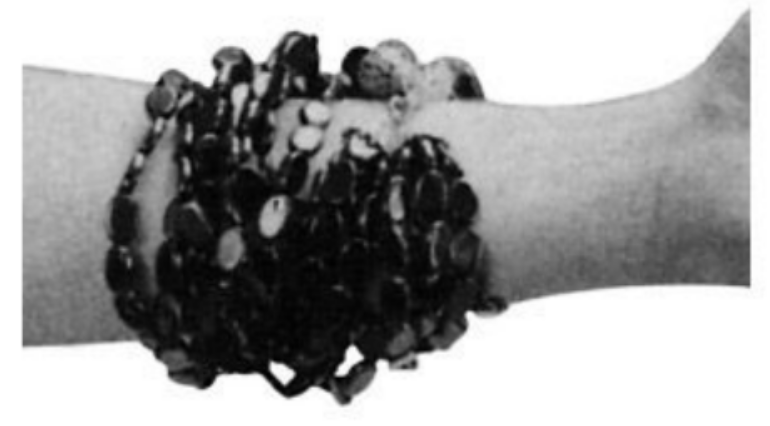
But his advice is: One accent is enough. Keeping your accents minimal and your outfit to no more than two colours is the secret to looking elegant.
I’m a believer in Dior’s "less is more" rule, but with a modern twist. The goal is never to look boring, but rather to let one or two deliberate details do all the talking.
- An accent is the way you decide to wear a bracelet, brooch, or scarf.
- The way you tie a bow.
- The colour of a flower or an accesory in your outfit.
- An accent should always be a meaningful touch; A delicate, sentimental bracelet you never take off—that brings a touch of personality that no one else can replicate.
At the end of the day, as Dior said, “With your personal feeling, no one can do it better than you.” It’s all about choosing that one, exquisite detail and wearing it with complete confidence.
Accessories
If a basic outfit is the starting point, accessories are what give it life.
In The Little Dictionary of Fashion, Dior says that accessories are the most important part of being well-dressed. His main point was that you don't need a huge wardrobe full of expensive clothes; if you have one good dress or basic suit, you can change your accessories and look completely different every single time, and this is what I love the most: to create different outfits and explore different ways to wear a garment, combining different accessories and colours.
Fashion today is open, inclusive, and fun, and style definitely shouldn't feel like a strict set. It’s all down to your own personal taste and what makes you feel like you.
I do agree with him on one thing, though: don’t just buy fast fashion. It’s much better to pick out a few really nice, versatile pieces that will have better quality and durability, rather than having to spend every year in different fast fashion items that won't look great through the years.
As I mentioned before, I love experimenting with colours and contrast:
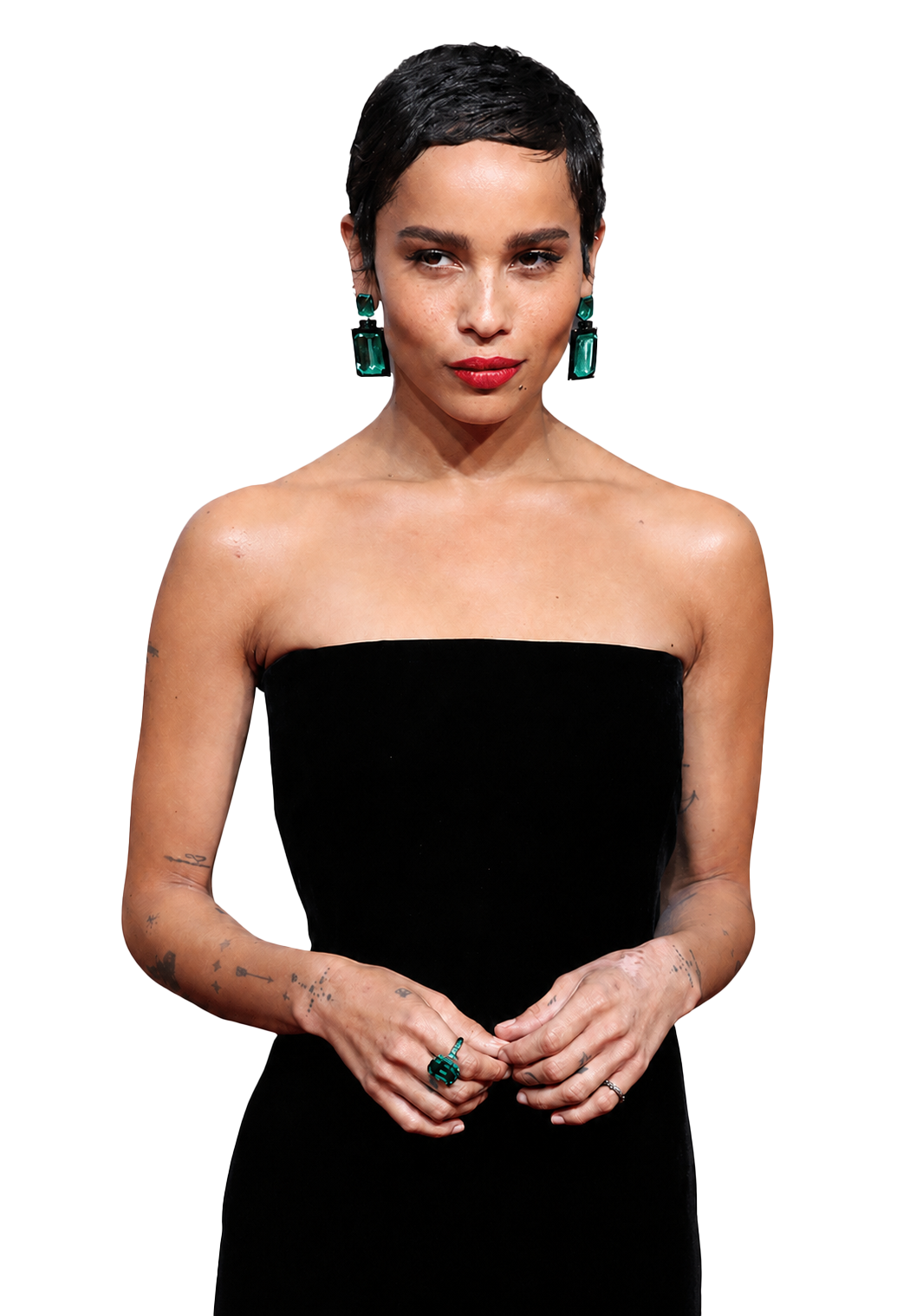
- Rich Pops of Colour: An all-black outfit paired with a gorgeous emerald green earrings, or carrying a soft, dusty purple umbrella on a rainy day. It takes a simple look and instantly gives it a luxurious, intentional edge.
- Soft Neutral Colours: I love combining black and brown together. I also love pairing crisp white with rich brown, or layering pure white with soft bone and cream tones. It looks so beautifully effortless.
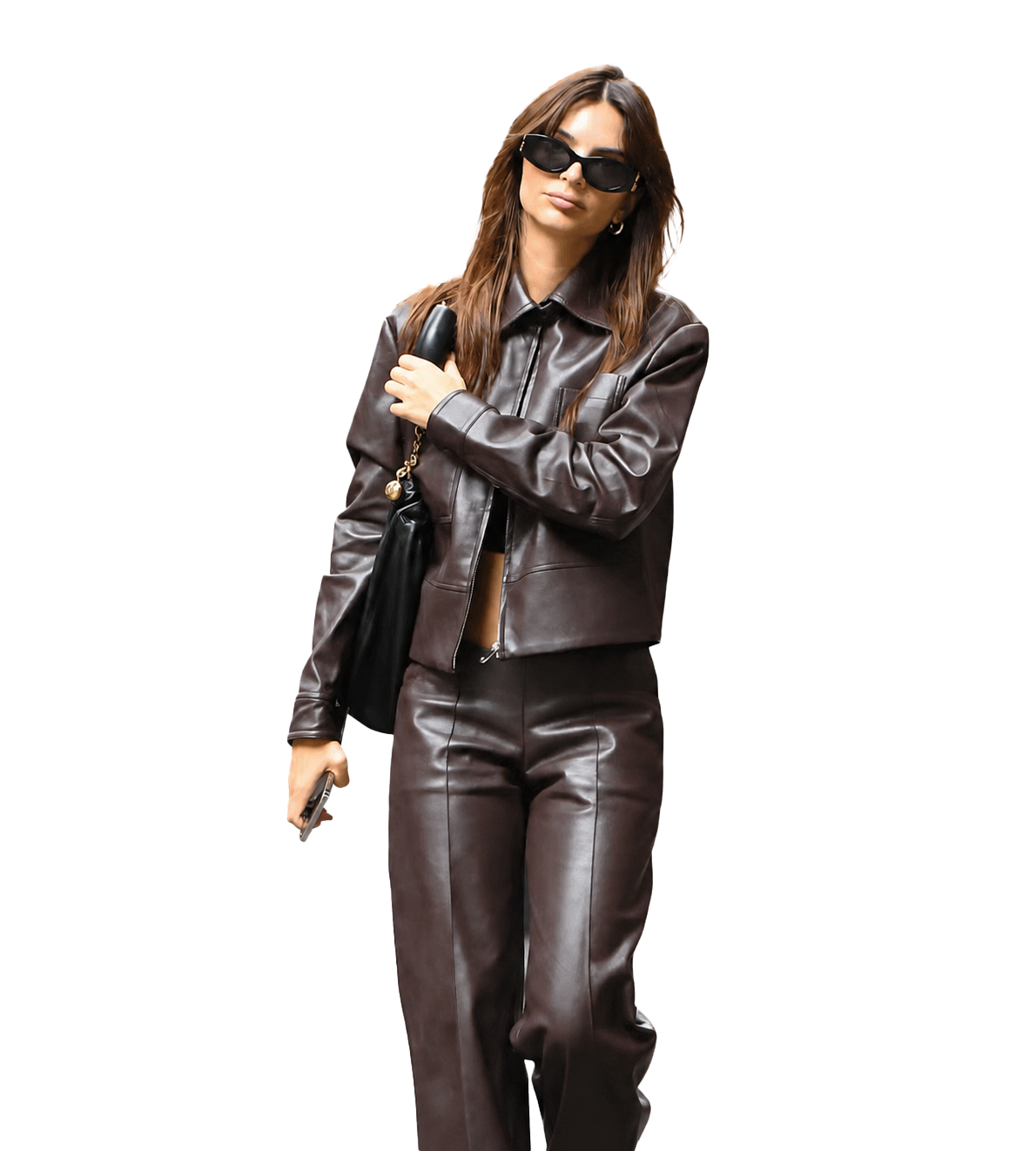
Getty Images
At the end of the day, style is whatever you make it. Accessories are just there to help you play around with your clothes so you never get bored.
ADAPTATION.
Dior has a strict rule when it comes to tailoring: be extremely careful when altering a garment. In the book, he points out that when a frock (dress) or suit is designed with intention, changing the balance or silhouette can completely ruin its original line.
I firmly believe that it is always best to try on a garment before buying it. A good fit should make you feel comfortable and confident, and although alterations may seem straightforward, a garment’s original construction can limit what a tailor can achieve.
His warning about last-minute alterations resonated with me, Whenever I have tried to modify an outfit at the last moment, something has gone wrong, not because of bad luck, but because some garments are simply not designed to be adapted. Ready-to-wear pieces may also be produced using specialised industrial machinery, stitching techniques and threads that a local tailor cannot replicate exactly. This can make heavy seams or delicate fabrics particularly difficult to alter without affecting the finish.
Alterations can still transform the right garment, but they require time, suitable construction and the correct equipment. As my longtime tailor and I often agree, some pieces are worth buying in the right size from the beginning. If a garment does not suit your body or vision off the rack, it may be better to find one that does.
Afternoon Frock (Dress)
Dior writes that while day dresses and afternoon dresses look similar, afternoon frocks feature richer materials designed to transition seamlessly from afternoon events to dinner and cocktails. His top advice? If you can only own one, make it black, ideally styled with a décolleté neckline and a cropped bolero or spencer jacket.
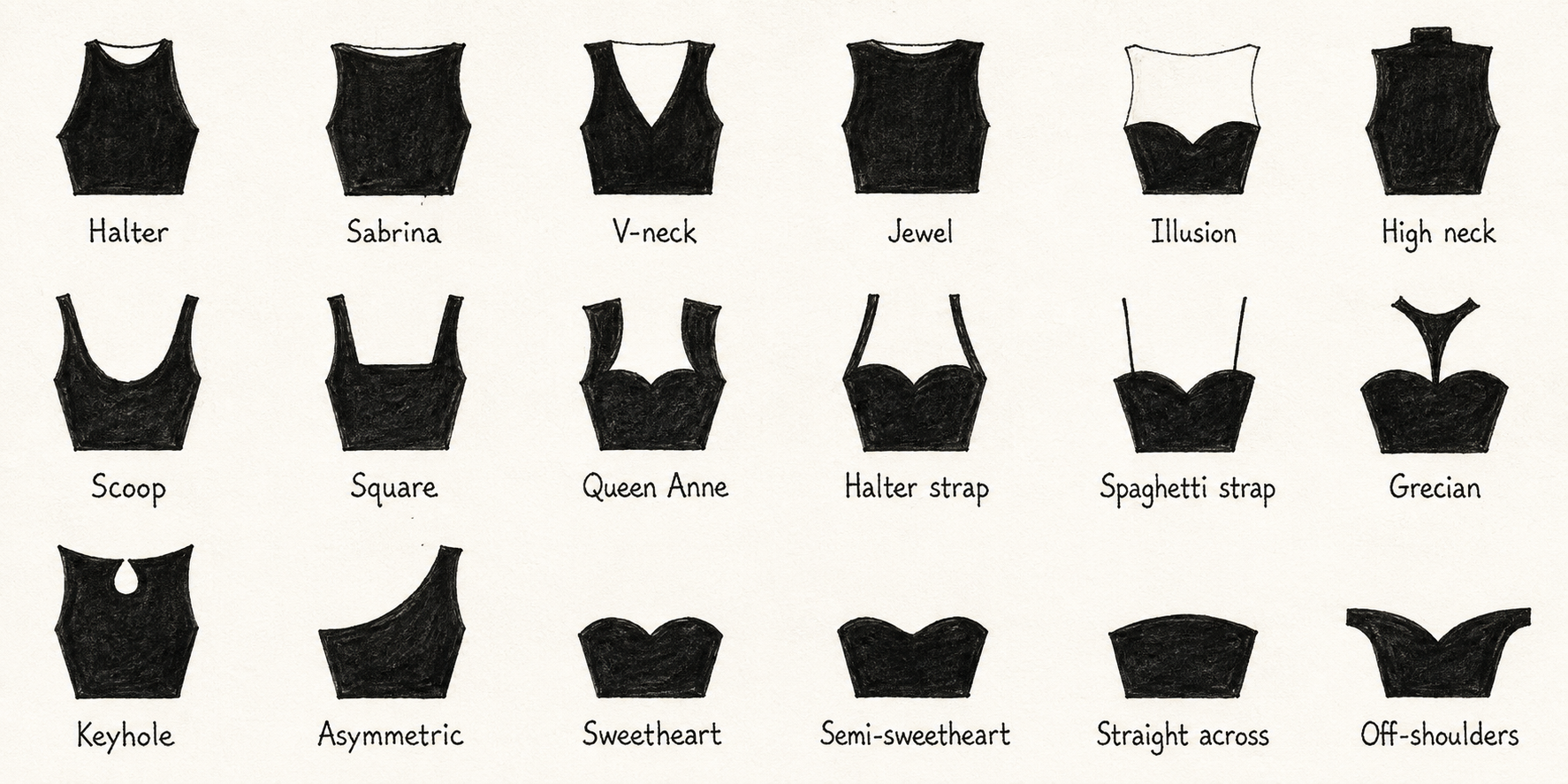
Samples of
décolleté necklineWhile I love these vintage guidelines, on this blog we always embrace personal style. Dior gives us a great structural baseline, but if a bright color or an unexpected cut makes you feel amazing, go for it.
Age
Regarding age, Dior wrote that there are really only two ages: youth and maturity.
He noted:
"You can dress to suit yourself and therefore your age, but this does not mean that you have to wear clothes that make you look old at all... I would not advise anyone to wear big jewels and expensive furs before marriage."
His point about not dressing to look old is spot on. To me, style doesn't have an expiration date, You don't reach a certain birthday and suddenly have to change who you are, It’s all about confidence, knowing your proportions, and appreciating better fabrics as you grow.
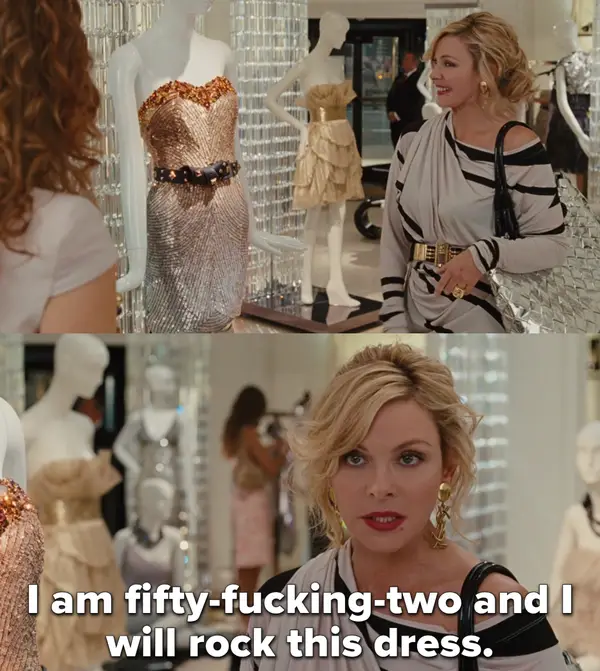
Picture from Buzzfeed.
https://www.buzzfeed.com/jessg/sex-and-the-city-moments-samantha-spinoffAprons
No, Dior wasn't talking about house-cleaning aprons -lol.
In couture language, an "apron" is a floating panel of fabric attached to a skirt or dress that completely transforms its shape and adds visual interest. He noted that if you want to wear a slim-fit dress but feel conscious of your hips, adding an apron panel at the side, front, or back helps carry off the silhouette beautifully. It’s a genius architectural trick that brings drama and movement to a straight skirt.
Armholes
Dior considered the armhole one of the most critical parts of any garment. If a sleeve sits badly or an armhole is cut incorrectly, the entire design is ruined. He famously noted that a slightly deeper, well-tailored armhole is incredibly flattering and allows the garment to drape naturally over the upper body. It’s a great reminder to always check the fit around your shoulders and underarms when trying on tailored jackets or structured tops.
And these complete Chapter A, Which of these old-school rules are you keeping, and which ones are you throwing out the window?